Pixelated Tracks and Digital Pitches: Uncovering Promotion Strategies for Blended Virtual and Live Event Wagers
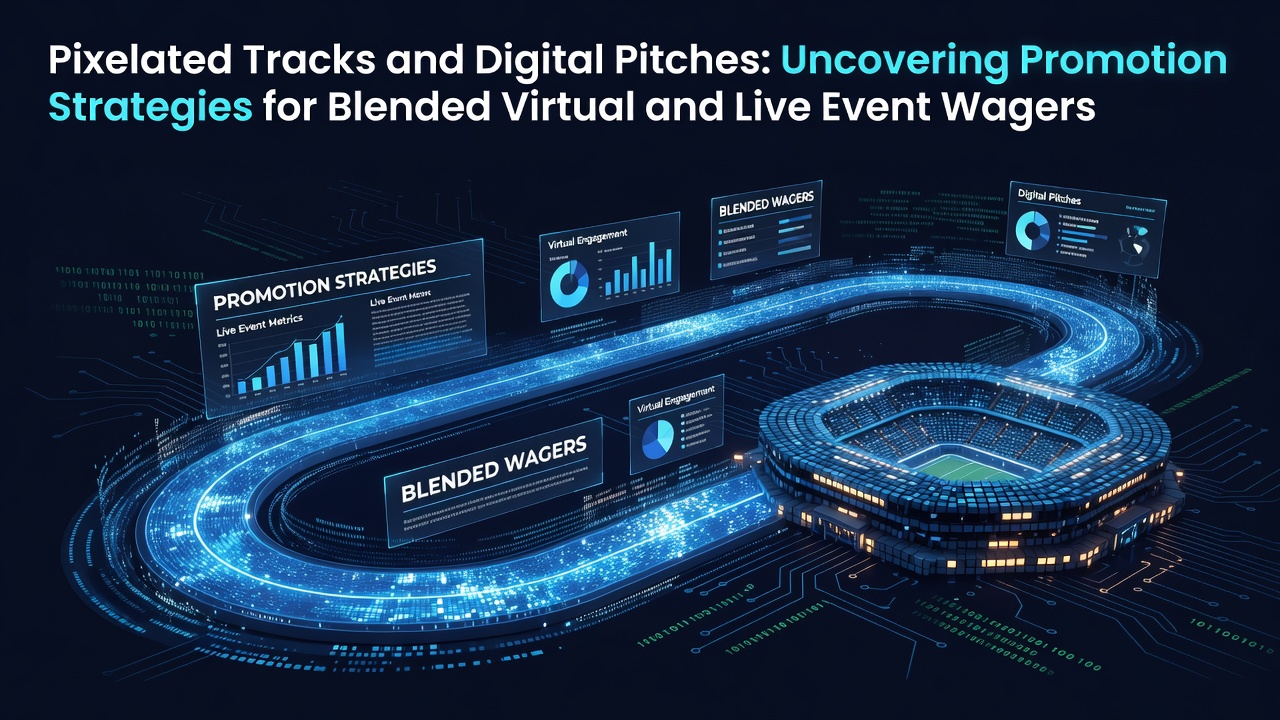
Operators in the betting sector have expanded their offerings to include blended wagers that merge virtual simulations with live sporting events, creating new avenues for promotional activity throughout 2026. These products combine elements such as digital horse racing tracks with real-time football matches, allowing participants to construct accumulators across both formats on mobile platforms. Data from June 2026 indicated continued growth in such hybrid markets, particularly as mobile applications integrated layered incentives to encourage multi-leg participation.
Core Mechanics of Blended Wagers
Blended wagers typically require selections from virtual environments and live competitions within a single betting slip, with virtual components generated through algorithmic models that mirror physical outcomes. Live elements draw from ongoing fixtures in leagues or tournaments, and systems often apply combined odds calculations that adjust based on participation volume. Research from industry bodies shows these structures appeal to users seeking extended engagement periods because virtual races or matches fill gaps between live events.
Promotion strategies focus on welcome packages that credit users for initial hybrid bets, followed by ongoing offers such as enhanced returns on successful accumulators spanning both categories. Cashback mechanisms return portions of stakes when selections fall short, while refund promotions target specific sequences like virtual sprints paired with live pitch outcomes. Operators deploy these through app notifications timed to major virtual updates or live schedules.
Promotion Types and Delivery Methods
Sign-up incentives commonly bundle free bets applicable to either virtual or live legs, with some platforms requiring minimum combined stakes before activation. Accumulator boosters multiply winnings from chains that include at least one virtual selection alongside live picks, and data reveals higher redemption rates when these multipliers apply across categories. Casino credits sometimes convert into betting funds for hybrid plays, linking table game activity to sports and simulation wagers.
Those who monitor market patterns note that no-sweat refund offers cover initial blended attempts, reducing perceived risk for new combinations. Examples include promotions that refund stakes on esports virtual events when paired with live racing results, delivered via push alerts within dedicated mobile sections. External campaigns through email sequences highlight upcoming virtual-live crossovers, directing users to app interfaces where the promotions activate automatically upon bet placement.
Market Activity in Mid-2026
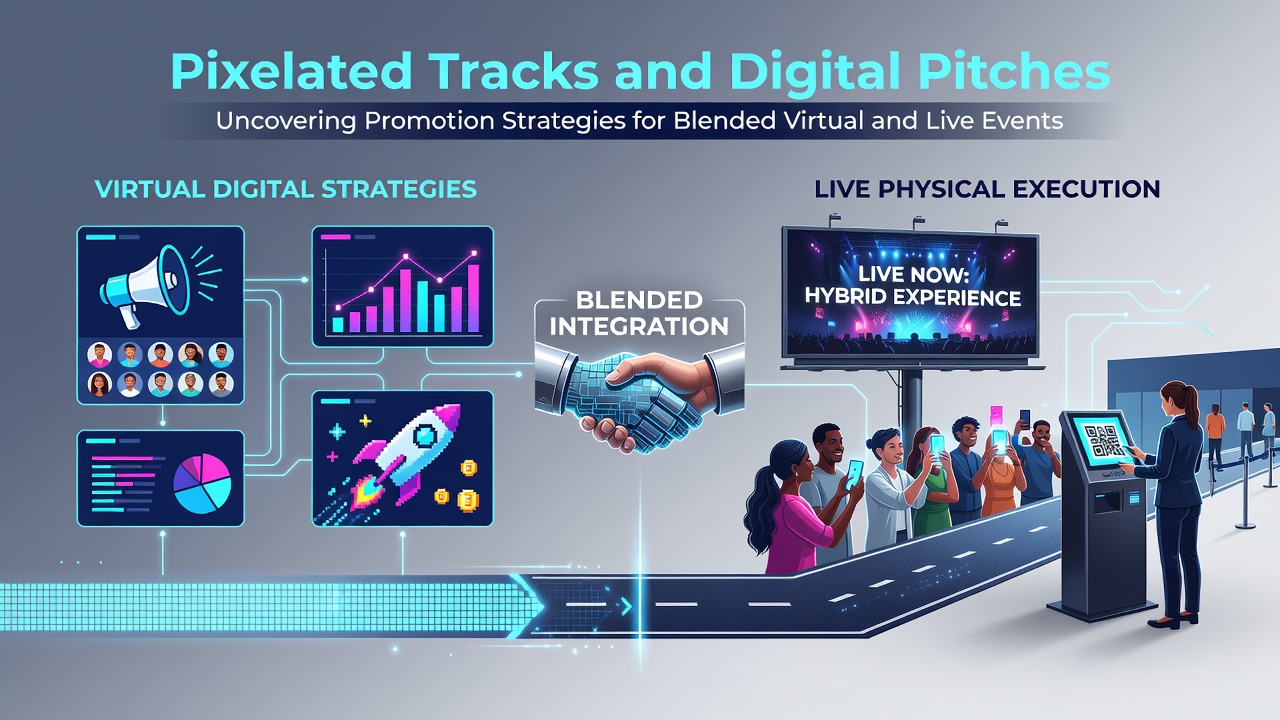
Figures released in June 2026 pointed to increased transaction volumes for blended products, driven by app features that streamline selection across virtual and live databases. Observers tracking these trends reference reports from the American Gaming Association, which documented shifts toward integrated virtual-live formats in operator portfolios. Mobile platforms recorded elevated session lengths when promotions emphasized cross-format accumulators, with each-way options extending to hybrid selections that pay on partial successes.
Regulatory updates in various regions influenced how these promotions reach users, requiring clear terms around virtual outcome generation and live result verification. Industry organizations such as the European Gaming and Betting Association have compiled summaries of compliance approaches that operators adopt when structuring blended offers. Participation data from that period showed sustained interest in niche pairings, including digital endurance events alongside live team competitions.
Implementation Across Platforms
App developers have refined interfaces to display virtual and live options side by side, enabling quick construction of multi-leg bets that trigger promotional eligibility. Automated systems flag qualifying accumulators and apply boosts without manual intervention, while user accounts track accumulated rewards from repeated hybrid activity. Case examples from operator reports illustrate how layered welcome sequences introduce users first to virtual simulations, then expand to live integrations through progressive bonus tiers.
Seasonal alignments, such as those coinciding with major tournament phases in June 2026, prompted targeted campaigns that highlighted blended opportunities during peak live calendars. These efforts relied on data segmentation to match promotion types with user histories, ensuring virtual track wagers appeared alongside relevant live pitch fixtures. Observers note that such tailoring increased conversion rates compared to generic offerings.
Conclusion
Promotion strategies for blended virtual and live event wagers continue to evolve through mobile-centric tools that connect algorithmic simulations with real-world competitions. Operators maintain focus on incentive structures that support accumulator building across formats, supported by activity metrics from periods like June 2026. Regulatory frameworks from multiple jurisdictions shape delivery methods while industry analyses track ongoing adoption patterns in these combined markets.