Nine Premier League Clubs Scramble to Fill Void Left by Gambling Sponsors' Shirt Ban
Nine Premier League Clubs Scramble to Fill Void Left by Gambling Sponsors' Shirt Ban

The Incoming Ban and Its Immediate Impact
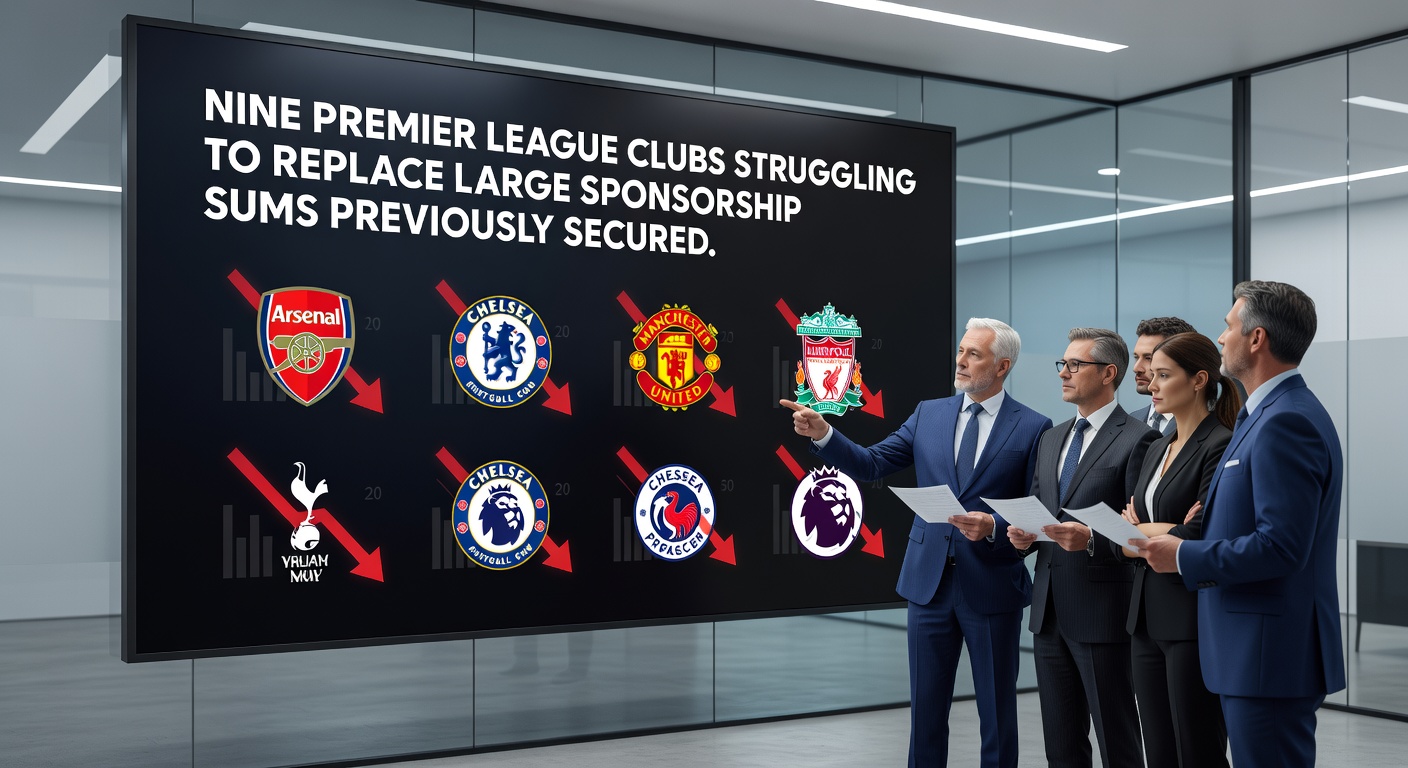
Premier League football enters a pivotal shift in April 2026, as nine clubs confront the harsh reality of replacing substantial sponsorship revenues from gambling firms; these deals, once plastered boldly across shirt fronts, face a ban starting next season under a voluntary industry agreement designed to curb visible promotion of betting within the sport. Clubs like Everton, West Ham, and Newcastle, among others, relied heavily on these partnerships, which poured millions into their coffers, but now scramble for alternatives amid tightening regulations that prioritize public health over easy cash infusions. Data from recent reports highlights how these sponsorships contributed significantly to club budgets, leaving a gaping hole that non-gambling brands hesitate to fill at comparable rates, especially since the agreement stems from collaborative efforts between leagues, broadcasters, and regulators to distance family-oriented matches from overt gambling ads.
What's interesting here lies not just in the financial scramble, but in the broader ripple effects across English football's top tier, where shirt-front sponsorships represent prime real estate for revenue generation; smaller or mid-table clubs, already navigating tighter finances compared to giants like Manchester City or Arsenal, feel the pinch most acutely, prompting urgent boardroom discussions and scouting missions for new partners in sectors like tech, finance, or even aviation. Observers note that while the ban targets only front-of-shirt placements—leaving sleeve and training kit deals intact—the loss still stings, given how front logos command the highest premiums due to their unmissable visibility during live broadcasts reaching millions worldwide.
Clubs' Financial Struggles Take Center Stage
Take Everton, for instance, whose long-standing tie-up with a betting giant brought in around £10 million annually, a sum now at risk as the voluntary pact takes hold; similar stories unfold at Fulham, Brentford, and Wolves, where executives admit privately that replacement deals lag far behind, forcing clubs to dip into reserves or rethink transfer strategies ahead of the summer window. Figures reveal that gambling sponsors accounted for up to 15% of some clubs' commercial income in recent seasons, a dependency that regulators and campaigners long criticized as normalizing betting among younger fans tuning into Saturday matches.
But here's the thing: the agreement, announced earlier this year, enjoys support from Premier League leadership who see it as a proactive step, even if it means short-term pain; clubs must now pivot to global brands less inclined to match the lucrative terms offered by bookmakers, who viewed football exposure as a direct pipeline to new punters. Those who've studied sponsorship trends point out that non-gambling alternatives, while ethically cleaner, often demand concessions like extended contracts or performance clauses, complicating negotiations that drag into the off-season when financial planning peaks.
And yet, amid the uncertainty, a few clubs like Aston Villa explore creative workarounds, such as enhanced digital partnerships that skirt the front-shirt prohibition, although experts caution these won't fully offset the shortfall without broader commercial overhauls.
A Personal Betting Challenge Exposes App Design Realities
The perils of this gambling-football nexus hit home through one journalist's bold experiment detailed in a Guardian article from April 11, 2026, where the author set out to turn £10 into £1,000 via accumulators on seemingly predictable events—horse races with heavy favorites and Premier League matches backed by stats—only to abandon the quest after five grueling days overwhelmed by the apps' manipulative mechanics. Turns out, these platforms, engineered to hijack dopamine responses through endless notifications, flashing odds boosts, and one-tap bet placements, transformed a straightforward challenge into an emotional rollercoaster that mimicked addiction's grip, even on "safe" wagers where outcomes seemed locked in.
People who've tried similar tests often discover how apps deploy psychological tricks—like live score integrations that spur impulsive in-play bets, or personalized "challenges" urging users to chase losses with free bet lures—making detachment feel impossible despite initial confidence in data-driven picks. In this case, the author wagered on outcomes like a dominant team thrashing a relegation fodder side, or a horse with impeccable form at Cheltenham, yet quit as the constant pings eroded resolve, underscoring why regulators push boundaries on sponsorship visibility while apps evolve unchecked behind the scenes.
It's noteworthy that this firsthand account, blending football familiarity with racing reliability, illustrates the "designed to disturb" ethos of modern betting tech, where algorithms prioritize engagement over responsible play, leaving even skeptical participants rattled.
Broader Gambling Harms Echo Through UK Sport
This sponsorship squeeze arrives against a backdrop of escalating concerns over gambling's toll on UK sport, where estimates peg up to 1.4 million adults grappling with problem gambling, a figure reported two years prior yet still resonant amid rising app usage. Financial fallout manifests starkly in cases like Chelsea FC, whose UEFA-submitted data cites £335 million in losses linked to betting exposures, highlighting how clubs' sponsorship pursuits inadvertently amplify harms that boomerang back through fan distress and regulatory scrutiny.
Researchers who've analyzed the ecosystem note that football's saturation with betting ads—over 30,000 instances across a single Premier League season—not only normalizes risk but correlates with spikes in calls to helplines during matchdays, as dopamine-fueled apps turn casual viewers into high-volume punters chasing the thrill of a late winner or goal-line scramble. That's where the rubber meets the road for policymakers, who balance economic dependencies against evidence of addiction's societal cost, estimated in billions annually through lost productivity and mental health interventions.
So, as the voluntary ban rolls out, campaigners applaud the step while urging deeper reforms, like curbs on sleeve ads or whistle-to-whistle broadcast restrictions, to sever ties more comprehensively; clubs, meanwhile, navigate the fallout by courting diverse sponsors, although the transition tests resolve in an era where betting remains woven into matchday fabric via apps and pitchside hoardings.
One study revealed how problem gamblers lose an average of £7,000 yearly, with football driving 40% of incidents, prompting calls for ringfenced levies to fund treatment—a proposal gaining traction as Premier League revenues face this sponsorship cliff.
Navigating the Path Forward for Clubs and Regulators
Now, with the 2026-27 season looming, affected clubs intensify pitch meetings with potential backers from airlines to energy firms, yet data indicates replacement deals average 30-50% lower values, squeezing wage bills and academy investments that sustain long-term competitiveness. Experts observe that top-six sides, cushioned by global shirt sales and Champions League windfalls, weather the storm better, whereas the nine in question—spanning mid-table battlers to promotion hopefuls—must innovate or consolidate to avoid FFP breaches.
But the author's aborted challenge serves as a cautionary tale, reminding stakeholders how betting's addictive blueprint undermines the sport's integrity, even as financial necessities clash with ethical imperatives; those in boardrooms weigh these tensions daily, plotting courses that safeguard revenues without alienating fans wary of gambling's shadow.
It's interesting how this convergence—sponsorship voids, app manipulations, and harm statistics—forces a reckoning, one where voluntary measures test the industry's commitment before statutory hammers fall.
Conclusion
The voluntary shirt-front ban marks a turning point for Premier League clubs, nine of whom stare down multimillion-pound shortfalls from departed gambling sponsors, while revelations from a five-day betting odyssey expose apps' disturbing hold on users, all amid stats painting a grim picture of 1.4 million problem gamblers and club-tied losses like Chelsea's £335 million. As April 2026 unfolds, the landscape evolves with clubs hustling for new deals and regulators eyeing next steps, ensuring football confronts its betting entanglement head-on; the ball's now in the collective court of leagues, firms, and lawmakers to chart a sustainable, less addictive future.