Mechanics of Layered Promotions in Hybrid Wagers Spanning Soccer Leagues, Equine Events, and Esports on Mobile Platforms
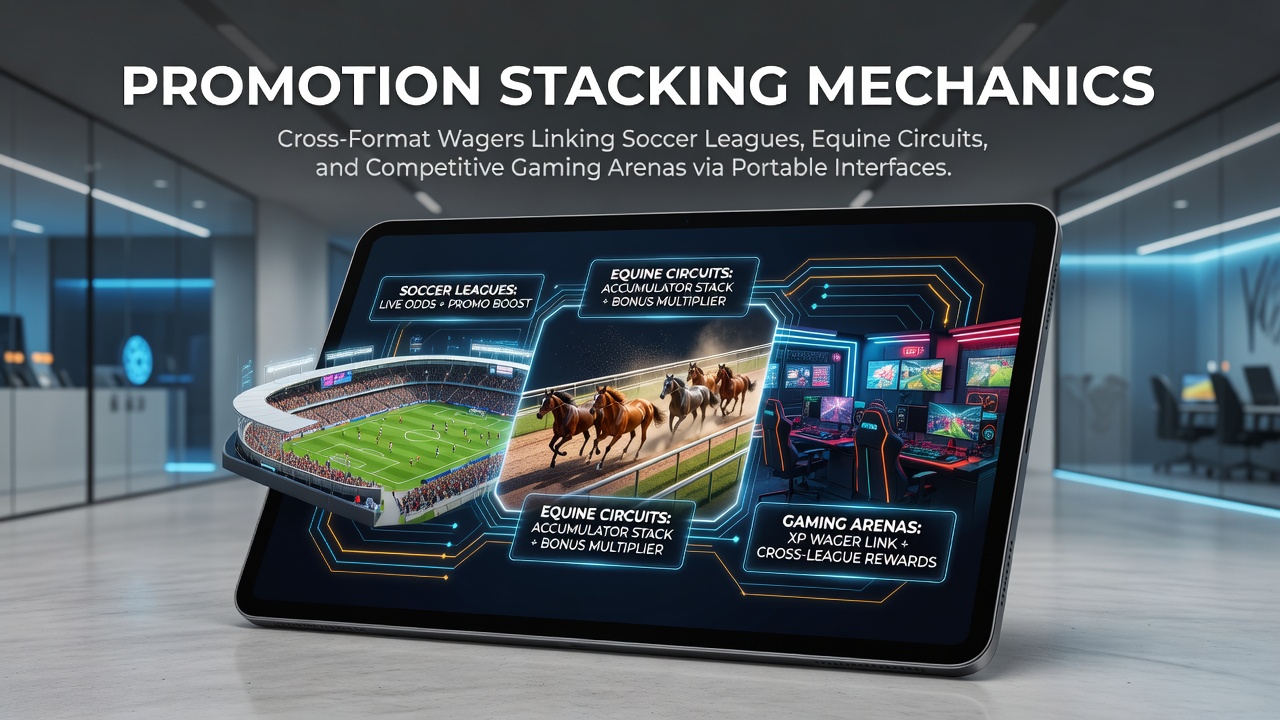
Data from mid-2026 shows that operators have expanded systems allowing users to combine welcome bonuses with ongoing rewards across soccer accumulators, equine place bets, and esports tournament lines, all managed through single mobile sessions. Platforms track eligibility by requiring sequential bet placements that meet minimum odds thresholds while incorporating free bet credits from multiple sources, and this process operates without resetting when users switch between formats. Observers note that the structure relies on unified account ledgers that log contributions from each wager type toward overarching bonus targets, such as reaching a cumulative stake amount within a seven-day window.
Core Elements of Promotion Stacking
Promotion stacking works by sequencing distinct incentives so that one reward activates the next, for instance when a soccer match accumulator unlocks a percentage boost that then applies to a subsequent horse racing each-way bet, while esports live odds selections contribute separate cashback tiers. Mobile applications handle these transitions through real-time API calls that verify wager validity and apply credits automatically, and users receive notifications detailing remaining requirements after each completed leg. Research indicates that such mechanics appeared more frequently after regulatory updates in several jurisdictions during early 2026, with operators adjusting terms to maintain compliance while preserving user engagement across formats.
Cross-Format Linkage Protocols
Operators establish linkage protocols that treat soccer leagues, equine circuits, and competitive gaming arenas as interchangeable components within a single promotional cycle, so a deposit match from a football bet can carry over to steeplechase selections and then to Valorant or League of Legends fixtures. These protocols use standardized tracking codes embedded in the mobile interface, which record the sequence and apply multipliers only when all formats have been represented in the required order. Figures from industry reports reveal that July 2026 saw increased adoption of these protocols, particularly on platforms serving users in Australia and Canada, where cross-format activity rose alongside seasonal soccer transfers and major esports tournaments.
One documented approach involves tiered free bet allocations that scale according to the number of formats engaged, with a base reward for two formats and an additional layer unlocked upon inclusion of the third. This system operates through conditional logic in the app backend, ensuring that partial stacks receive prorated value rather than full cancellation, and it connects directly to external data feeds for live odds updates across all three categories.
Mobile Interface Capabilities Supporting Stacking
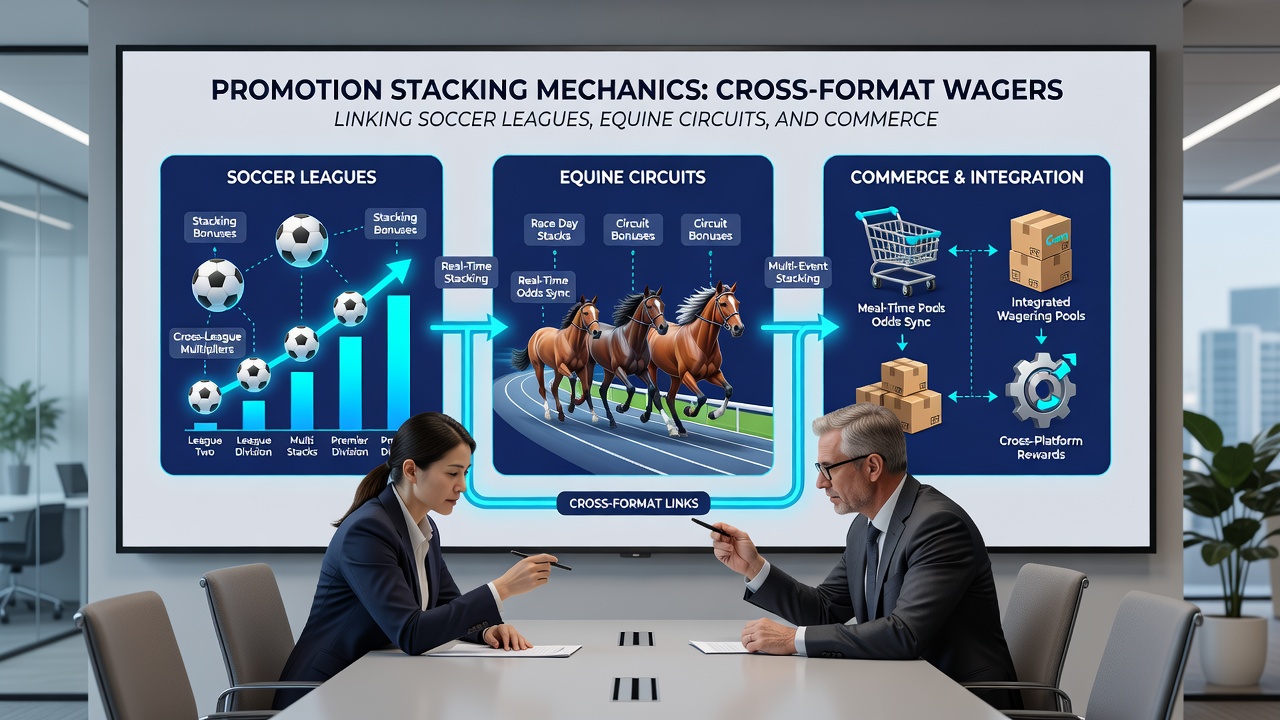
Portable interfaces provide the technical foundation through persistent session management and integrated wallet functions that display combined bonus balances from disparate promotions. Applications incorporate filters that highlight eligible markets across soccer, equine, and esports simultaneously, allowing users to construct sequences without exiting the current view. According to data compiled by the Australian Gambling Research Centre, mobile-driven stacking transactions increased notably in the second quarter of 2026, coinciding with expanded 5G coverage in regional areas and updated app versions that reduced latency during multi-format transitions.
Security layers within these interfaces verify user identity at each format switch to prevent duplicate claims, while audit trails log every applied credit for regulatory review. Those who have examined platform architectures observe that the integration reduces manual intervention, as automated reconciliation handles discrepancies between soccer match results, equine finishing positions, and esports map outcomes in a unified report.
Operational Patterns Observed in 2026
Throughout July 2026, several operators introduced limited-time events that required participants to place wagers on one soccer league fixture, one equine circuit event, and one esports arena match within a 48-hour period to qualify for stacked multipliers. These events used countdown timers visible on the mobile dashboard and connected directly to promotional ledgers that updated after each successful settlement. Industry organizations such as the European Gaming and Betting Association have documented similar patterns in member reports, noting that the mechanics rely on precise timestamping to maintain fairness across time zones.
Additional patterns include rollover requirements that aggregate stakes from all three formats before bonus funds become withdrawable, with mobile apps providing progress bars that reflect contributions from each category. Data shows these requirements typically range from three to five times the stacked amount, and the systems automatically exclude voided or canceled bets from the calculation to preserve accuracy.
Conclusion
Promotion stacking mechanics in cross-format wagers continue to evolve through refinements in mobile platform architecture, with operators maintaining separate tracking for soccer leagues, equine circuits, and competitive gaming arenas while unifying them under single promotional frameworks. Information released in 2026 highlights the role of automated verification and cross-format sequencing in sustaining these systems, and further developments remain tied to updates in regulatory environments outside the United Kingdom.