Entain Pushes Regulator for Clear Guidelines on Unlicensed Gambling Sponsorships
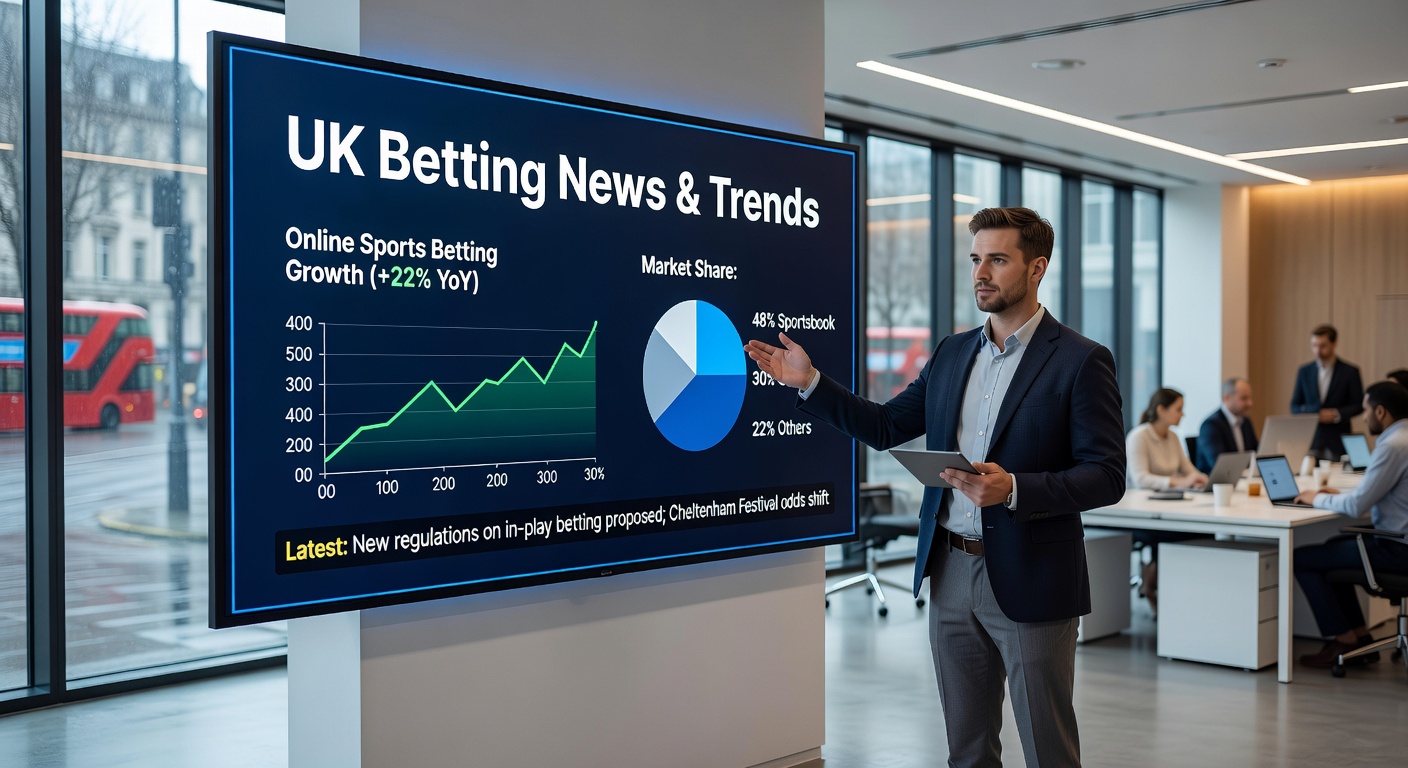
Entain has urged the Independent Football Regulator to clarify rules that block Premier League clubs from accepting sponsorship deals with gambling operators unlicensed in the UK, and this request arrives in May 2026 amid ongoing discussions about club finances and regulatory oversight. Observers note that several clubs already maintain partnerships with such operators while the unregulated market continues to generate an estimated £4.3 billion each year in Britain according to recent industry figures.
The Specific Request for Rule Clarification
Entain approached the regulator directly to seek explicit guidance on how existing rules apply to sponsorship agreements involving operators outside UK licensing frameworks, and this move highlights the need for consistent application across the league. Clubs face uncertainty when evaluating potential partners because current provisions leave room for interpretation on what constitutes an acceptable arrangement versus one that falls outside permitted boundaries.
Data from regulatory sources shows that unlicensed operators often operate through offshore platforms which complicates enforcement efforts for football authorities and tax collectors alike. Entain's call emphasizes the importance of precise language so that clubs can plan sponsorship strategies without risking future compliance issues once new structures take effect.
Current Sponsorship Landscape Across Clubs
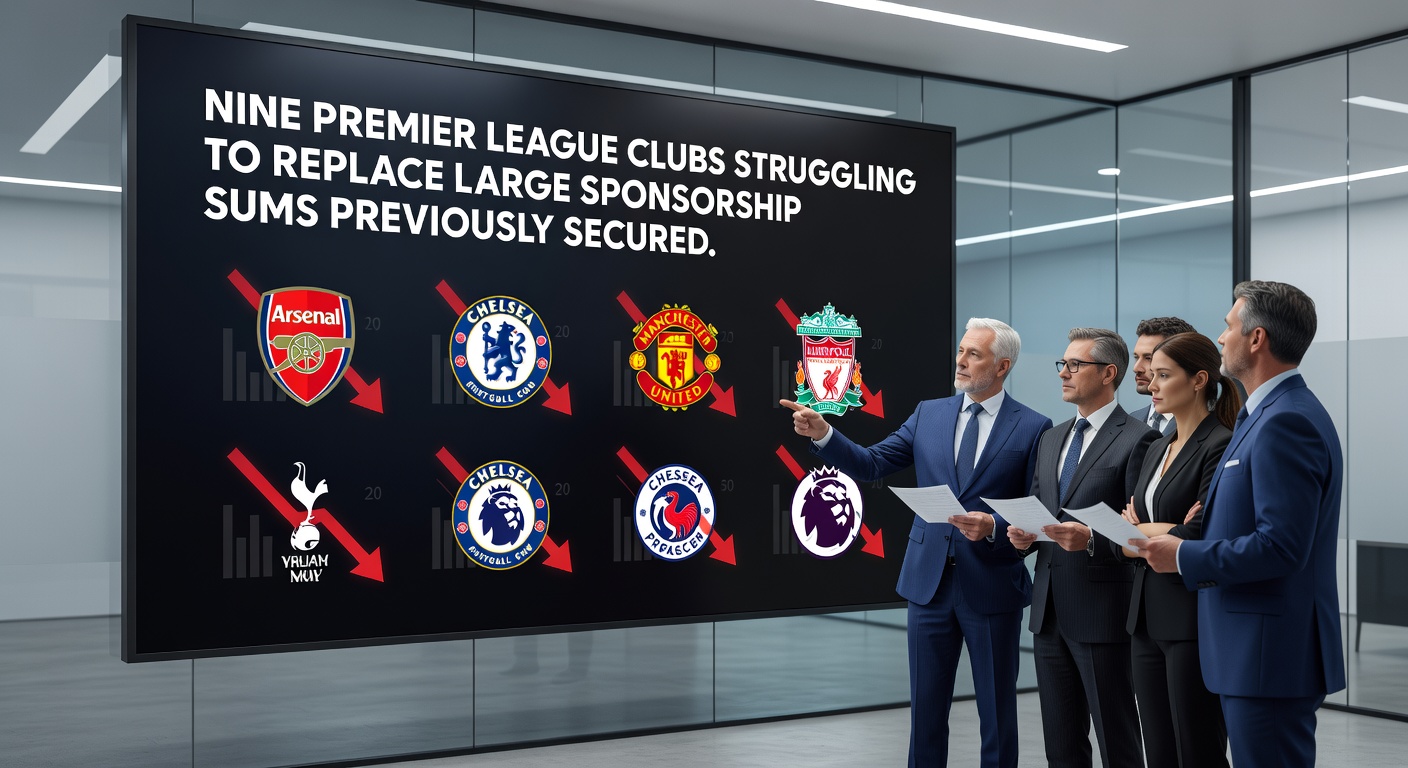
Multiple Premier League teams currently hold deals with gambling operators that lack full UK licensing, and these arrangements provide significant revenue streams for clubs navigating rising operational costs. The situation creates a patchwork of partnerships where some clubs work exclusively with licensed entities while others maintain ties to the broader unregulated sector.
What's interesting here is how these existing contracts intersect with the wider betting ecosystem, because operators without UK licenses typically avoid certain tax obligations yet still attract substantial user bases through targeted marketing and competitive odds. Researchers tracking market trends point out that this split between licensed and unlicensed activity has persisted for several years, creating the conditions that now prompt Entain's intervention.
Key Concerns Driving the Discussion
Illegal streams, tax evasion risks, and the potential targeting of vulnerable users form the core issues raised alongside Entain's request, and each of these elements connects directly to how unlicensed operators function outside standard regulatory checks. Government reports indicate that illegal streaming platforms often promote unlicensed betting services which undercuts both licensed operators and official club partnerships.
Tax authorities have flagged lost revenue from offshore operators that reach British users without contributing to domestic coffers, while consumer protection groups highlight data showing higher rates of problem gambling behaviors linked to unregulated sites. These overlapping concerns gain added weight ahead of the voluntary Premier League ban on licensed gambling shirt sponsors scheduled for next season, because the shift could push some clubs toward alternative revenue sources if clarification remains absent.
Timing Relative to the Voluntary Ban
The voluntary ban on licensed gambling shirt sponsors begins next season, yet unlicensed operators remain outside its direct scope which leaves a regulatory gap that Entain seeks to address now. League officials have coordinated the ban as a self-imposed measure to reduce visible gambling presence on matchdays, yet the policy does not automatically extend to deals with operators lacking UK approval.
Clubs evaluating future budgets must weigh current sponsorship income against potential compliance requirements once the Independent Football Regulator formalizes its stance, and this timing makes Entain's request particularly relevant in the current window. Figures from financial analysts suggest that gambling sponsorships still represent a meaningful portion of club revenue despite gradual diversification into other sectors.
Broader Market Context and Revenue Flows
The unregulated gambling market's £4.3 billion annual contribution reflects strong consumer demand for betting products that fall outside traditional licensing routes, and this scale explains why clubs find such partnerships attractive even as regulatory scrutiny increases. Operators in this space often leverage lower overheads and fewer restrictions to offer promotions that draw users away from licensed competitors.
People who've examined the sector note that illegal streams serve as a primary discovery tool for these unlicensed services because they bundle live matches with betting prompts that reach audiences through unofficial channels. This dynamic adds pressure on regulators to establish clear boundaries before clubs commit to multi-year agreements that could face later restrictions.
Conclusion
Entain's request places the Independent Football Regulator in a position to provide definitive guidance on unlicensed sponsorships before the voluntary ban on licensed shirt deals takes hold next season, and the outcome will shape how clubs structure future partnerships. The combination of existing deals, substantial unregulated revenue, and overlapping concerns around streams and tax compliance creates a complex environment that requires precise rule interpretation to maintain consistency across the Premier League. Observers continue to monitor developments as clubs and operators alike await further direction on acceptable sponsorship frameworks.