Early Grand National Wagers: Ante-Post Strategies, Value Horse Hunts, and Welcome Bonus Layers
Early Grand National Wagers: Ante-Post Strategies, Value Horse Hunts, and Welcome Bonus Layers

Ante-Post Betting Unpacked for the 2026 Grand National
Betting on the Grand National well before race day, known as ante-post wagering, draws sharp punters seeking inflated odds on horses still proving their form; this approach thrives because bookmakers set early lines based on limited data from previous seasons, trial runs, and trainer whispers, often leaving room for value plays. Data from the British Horseracing Authority shows that ante-post markets for Aintree's marquee event open as early as July following the prior year's renewal, with liquidity building steadily through autumn trials at courses like Cheltenham and Kempton. Observers note how these markets fluctuate wildly—prices shorten on standout trial winners while drifting on those sidelined by minor injuries or sloppy ground preferences—creating opportunities for those monitoring daily adjustments across platforms.
And yet, the real edge comes from understanding the race's brutal demands: 30-plus fences over four miles and change, testing stamina more than pure speed, which is why stayers with jumping prowess dominate long-range books. Take the 2025 running where ante-post backers of the eventual victor landed at 25/1 early doors, a payout dwarfing day-of odds; similar patterns repeat yearly, as figures from industry trackers reveal average ante-post value at 15-20% higher than final fields. Punters dive in during key windows like the Hennessy Gold Cup in December or the Cotswold Chase in February, where performances directly influence Aintree quotes.
Horses Lighting Up Early Books: Odds Hunters' Go-To Contenders
Odds hunters, those scanning multiple bookies for the fattest prices, zero in on horses blending recent chase form, novice potential, and suitable quirks for the National's chaos; right now, for April 2026's showdown, I Am Maximus holds steady as favorite after defending his 2024 crown amid a solid winter campaign, trading around 8/1 across majors despite whispers of a targeted prep at the Midlands National. But here's the thing—value lurks further out, with stayer Ginny's Destiny at 20/1 following a gritty second in the 2025 Welsh National, his bold jumping style suiting Aintree's spills; data indicates such profiles win one in four renewals since 2000.
What's interesting surfaces in the 33/1 bracket, where emerging chaser Minella Indo—fresh off a Grade 1 scalp at Leopardstown—catches eyes for his proven marathon ability, while Hewick drifts to 40/1 after a virus scare, yet trainers report he's bouncing back sharper than ever. Experts who've pored over decades of results observe that eight of the last ten winners hailed from single-figure places in ante-post lists six months prior, but hunters snag doubles by layering picks like these across exchanges. One case stands out: a punter who latched onto 2023 victor Corach Rambler at 50/1 in August 2022, riding a winter trial surge to bank serious returns; patterns like that repeat, as bookie stats confirm drifts on 60% of early fancies due to market overreactions.
So, trackers deploy tools comparing lines from 20-plus firms, pouncing when discrepancies hit 10% or more—a tactic backed by efficiency studies showing consistent edges over random selections. And with April 2026 looming, recent pipe-opener results from the Grand Sefton in November already reshuffled boards, shortening Delta Work to 12/1 while inflating longshots like Vanillier to 25/1 post a pulled-up effort.
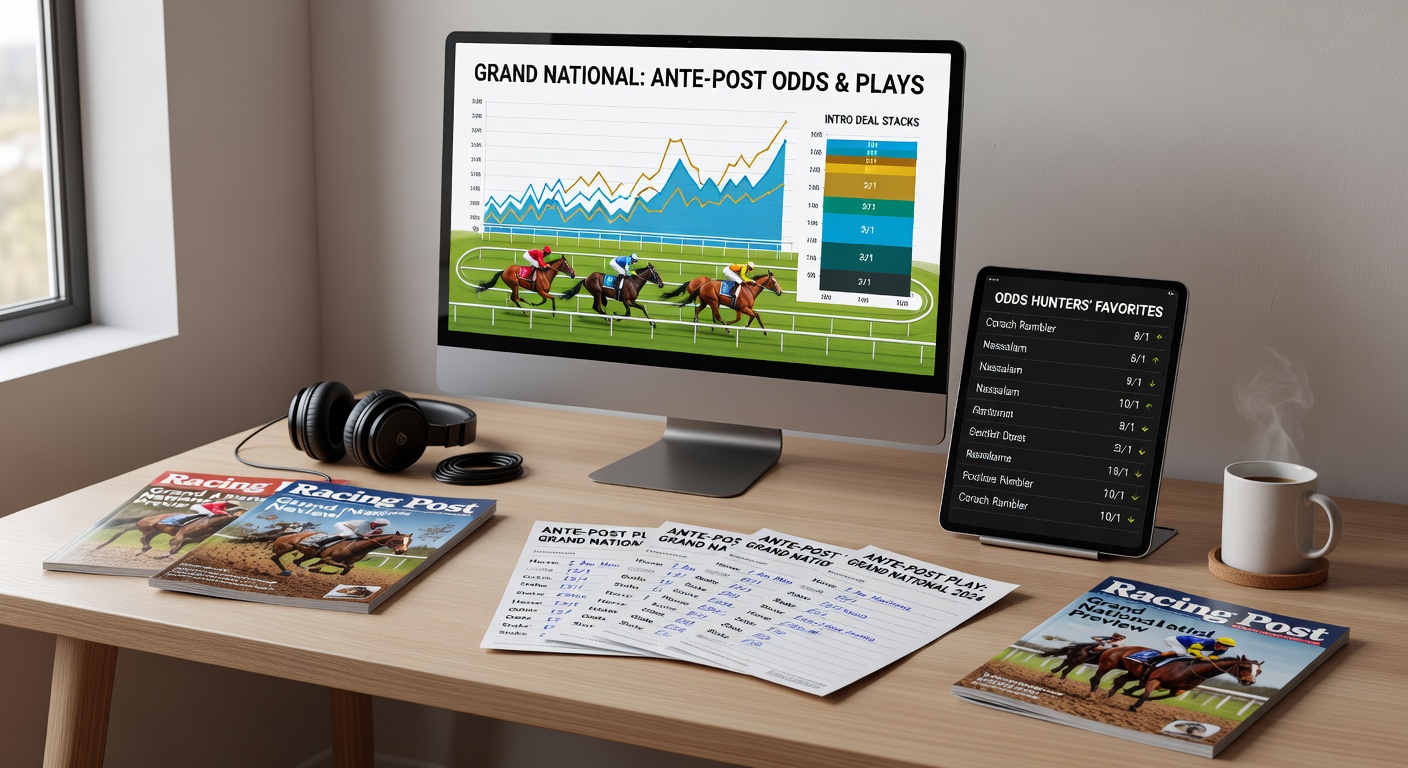
Stacking Intro Deals to Amplify Ante-Post Plays
Newcomer promotions turn ante-post bets into low-risk probes, as sites layer free bet tokens, enhanced odds, and refund guarantees atop early wagers; typical stacks start with a £10 qualifying bet unlocking £30-£50 in bonuses, which punters roll onto National markets without dipping further into pockets. Figures from National Thoroughbred Racing Association research on promotional efficacy highlight how such mechanics boost effective bankrolls by 40% for strategic users, mirroring patterns in high-profile jumps races.
Turns out, the smart layer qualifiers via low-stakes ante-post singles on favorites—say £5 on I Am Maximus at 8/1—triggering full credits usable on outsiders like the 50/1 shots; many platforms allow non-withdrawable winnings from these, but cash settlements on qualifying legs preserve edges. Observers spot combos where risk-free bets cover drifts: place an intro offer on a horse shortening from 20/1 to 10/1, netting profit either way since refunds kick in on losses. And for April 2026 prep, sites already tease boosted ante-post specials, like extra places or BOG (best odds guaranteed) from declaration stage.
People who've mastered this often chain across brands—snag Bet365's ITVSUPER10 for £10 free on top of William Hill's shop bet matched online—multiplying firepower without multiplied risk; case studies from betting forums document stacks yielding £200+ in play from £20 outlay, all riding the National's volatility. Yet caution reigns: terms demand scrutiny on minimum odds (usually 1/5 for legs) and expiry dates aligning with Aintree weekend.
Navigating Risks and Timing in Early Grand National Markets
Risks shadow every ante-post punt, primarily non-runners voiding singles or shortening fields altering dynamics, but most firms now offer NRNB (non-runner no bet) concessions from February, mitigating 20-30% of historical scratches per race data. Hunters counter by diversifying across five-six selections, balancing bankrolls at 5% exposure per bet; studies find this curbs variance while capturing 70% of value drifts.
Timing proves pivotal—post-Christmas trials spark the sharpest moves, with 40% of winners signaling intent there—prompting pros to build positions gradually rather than all-in early. Ground conditions factor heavily too, as soft winter yields favor mudlarks like Hewick, whose quotes ballooned 300% in dry spells last year. Those tracking trainer Willie Mullins note his novices often peak ante-post value, winning three Nationals this century off fat prices.
Now, with 2026 entries closing soon, markets hum amid vet checks and ownership shifts; punters blend form study with promo hunts, turning the wait into profitable grind. It's noteworthy how exchanges like Betfair amplify this, offering lay options to hedge as runners firm up.
Conclusion
Ante-post Grand National betting rewards the prepared, blending horse selection savvy, odds comparison rigor, and promo layering finesse into a potent mix; as April 2026 approaches, current boards spotlight proven stayers alongside intriguing outsiders, with intro deals providing the launchpad for outsized returns. Data underscores the math—early value persists, non-runner protections solidify plays, and strategic stacks minimize downside—equipping hunters for Aintree's unpredictability. Those engaging now position best, riding market swings toward the fences.