Digital Crossovers: Mapping Layered Incentives for Esports-Infused Football Chains and Racing Sequences Across Portable Interfaces
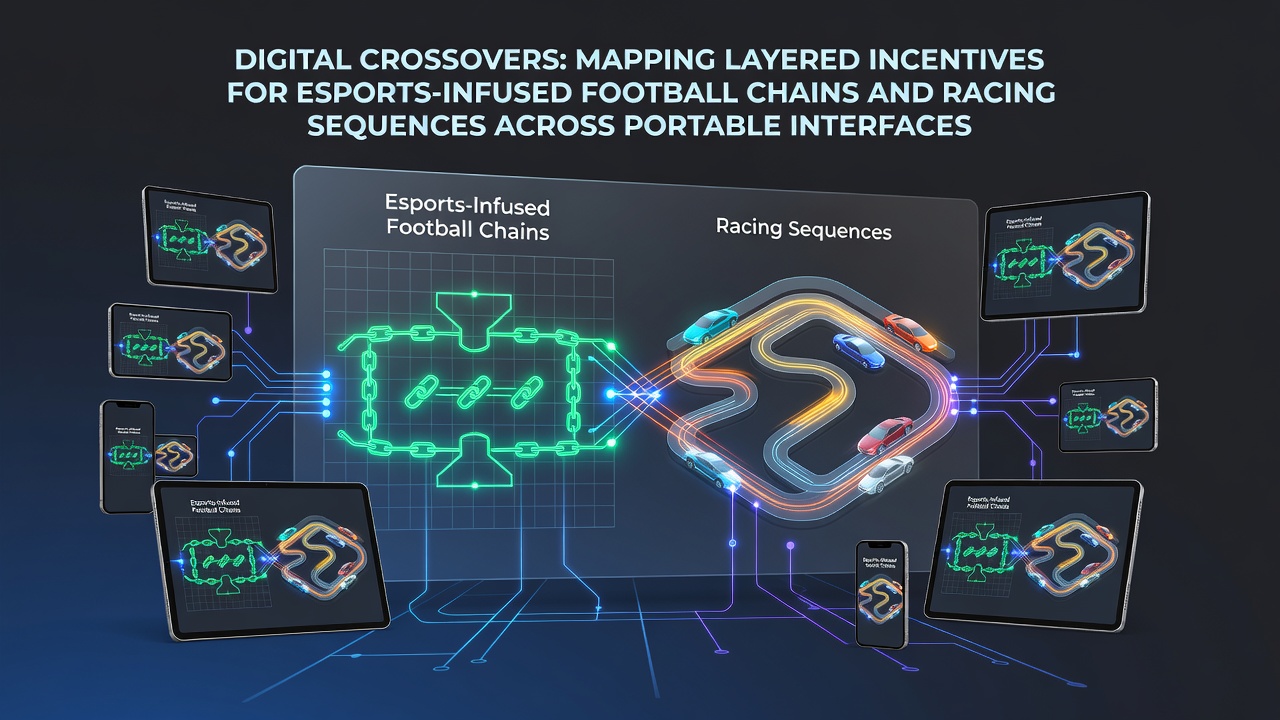
Digital platforms now integrate esports titles with football matches and horse racing events through portable interfaces that support multi-leg betting structures, and these systems rely on layered incentives such as deposit matches, cashback offers, and boosted odds to encourage extended chains. Operators design these features to function across mobile applications where users select combinations from different categories, and data from industry reports indicates growth in such hybrid formats during the first half of 2026.
Portable interfaces display real-time odds for Valorant matches alongside Premier League fixtures and Cheltenham Festival races, while the software calculates potential returns for accumulators that span these categories. Users access these options through apps that update sequences dynamically, and figures from the American Gaming Association show increased engagement with cross-category bets in regions where mobile access expanded in 2025.
Platform Architecture and Incentive Layers
Application developers structure these interfaces with separate modules for football chains, racing sequences, and esports streaks, yet they connect through shared bonus pools that activate when selections meet minimum leg counts. A typical structure might include a welcome bonus applied to an initial deposit, followed by a free bet credit triggered after the first three legs settle, and a cashback component that refunds a percentage on losing accumulators. These layers operate simultaneously because the system tracks user activity across all categories without requiring separate logins.
Research from the University of Nevada's International Gaming Institute demonstrates that such integrated systems maintain user retention when promotions align with event calendars, and the study notes specific patterns where June 2026 schedules for international football tournaments and esports majors coincide with major racing meets. Operators adjust incentive values based on these overlaps, which allows portable interfaces to present tailored accumulator suggestions to different user segments.
Esports Integration with Traditional Sports
Football chains gain additional legs when paired with esports events such as League of Legends or Counter-Strike matches, and racing sequences incorporate outcomes from both turf events and virtual simulations. The portable apps display these options in unified bet slips where each selection carries its own odds multiplier, and layered incentives activate once the total number of legs reaches a predefined threshold. This approach creates chains that span live football, scheduled races, and esports tournaments within a single mobile session.
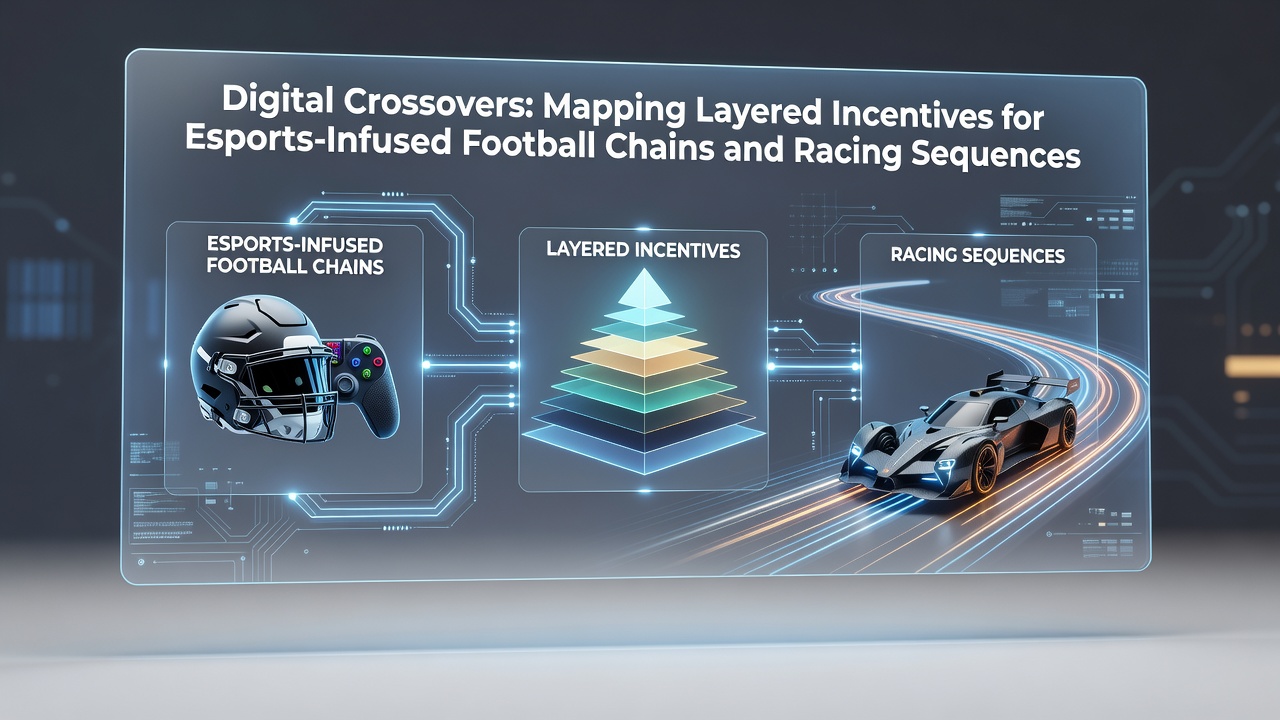
According to data compiled by the European Gaming and Betting Association, hybrid betting volumes rose notably in markets where mobile penetration exceeded 70 percent by early 2026, and the report highlights how incentives tied to crossovers between physical and digital events drive participation. Those who have examined transaction logs observe that users frequently extend chains when a free bet or refund offer covers the final leg, which keeps activity distributed across categories rather than concentrated in one area.
Technical Mapping of Sequences
Backend systems map each incentive layer to specific event types through API connections that pull odds from multiple feeds, and this allows the interface to validate accumulator eligibility in real time. For instance, a sequence might start with a Premier League goalscorer bet, add a horse racing each-way selection, and conclude with an esports map winner, all while the application applies progressive bonuses at each stage. Developers test these mappings to ensure compatibility across operating systems, which maintains consistent performance on portable devices.
What's interesting is how regulatory frameworks in various jurisdictions influence the visibility of these layered promotions, since different regions impose distinct requirements on bonus disclosure and wagering conditions. The systems adapt by displaying region-specific terms within the app, and observers note that this flexibility supports broader deployment without altering the core incentive structure.
Trends Observed in Mid-2026
During June 2026, several major events aligned to create opportunities for extended chains, including European football qualifiers, North American esports leagues, and summer racing festivals. Mobile platforms responded by increasing the visibility of accumulator builders that combine selections from these calendars, and incentive layers such as no-sweat bets or enhanced payouts became more prominent in promotional banners. Figures reveal that activity in these hybrid formats grew as users explored options that previously required separate applications.
One case where experts tracked patterns involved a series of tournaments where an esports match outcome directly influenced suggested football and racing additions through algorithmic recommendations, and this feature appeared in apps that had updated their interfaces earlier in the year. The approach relies on data connections rather than manual selection, which streamlines the process for users building longer sequences.
Conclusion
Portable interfaces continue to evolve their handling of layered incentives that connect esports with football and racing, and the mapping of these elements relies on technical integration and calendar alignment. Data from multiple sources indicates sustained development in these crossover formats through 2026, with systems designed to present options that span categories while maintaining separate tracking for each incentive type. The structure supports user navigation across events without requiring changes to core application architecture.